
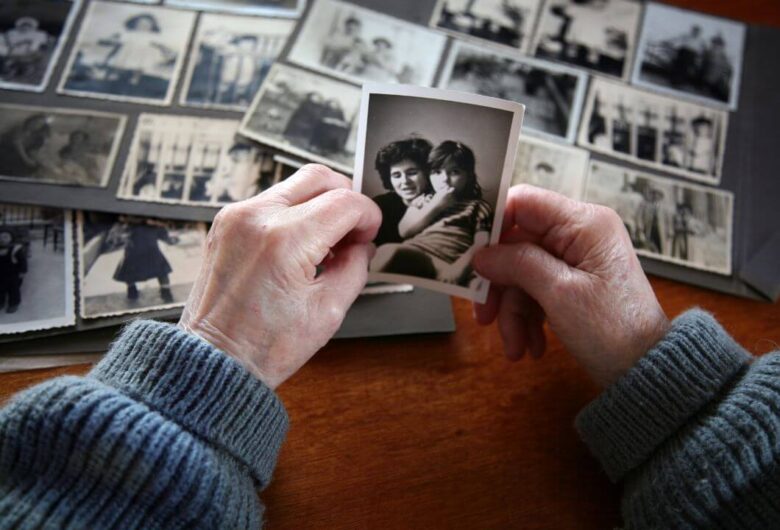
A lot of people think they have a backup because their files exist in more than one place. Sometimes that is true. Sometimes it is not. A copied folder, a synced cloud account, an external hard drive, or a second device can all be useful. But usefulness is not the same thing as a real …


(What’s reversible — and what isn’t) Why some mistakes hurt more than others Not all VHS digitization mistakes are equal. Some are annoying but fixable.Others permanently erase information you can never recover — even if you redo everything perfectly later. We learned this distinction the hard way. Early on, we assumed that if something looked …
(When they’re worth it — and when they quietly hurt quality) Why USB capture devices are so tempting USB capture devices promise exactly what people want when digitizing VHS: We get the appeal — because we bought one too. In fact, we’ve tested several over the years, across different systems, tapes, and expectations. Some worked …
(What really matters — and what doesn’t) Why the cloud feels safer than it actually is The cloud feels comforting. Your files aren’t tied to one device.They’re “somewhere else.”They survive broken laptops and spilled coffee. We use cloud storage too.But we learned — sometimes the hard way — that cloud backup is only as safe …
(Safe for preservation — or a trap that costs you later?) Why MP4 feels like the obvious choice When people start digitizing VHS, MP4 feels like the natural answer. It’s small.It plays everywhere.Every phone, TV, and computer understands it. We thought the same thing. In fact, one of our earliest projects was captured straight to …

(and how to fix it without buying new gear) Why “washed out” VHS is almost never the tape’s fault We’ve heard this sentence more times than we can count: “I guess the tape is just bad. VHS never looked great anyway.” Sometimes that’s true.Most of the time, it isn’t. We learned this the frustrating way. …

“Trip”, “Trip 2”, and “Trip New”(A simple naming system that actually holds up) Why naming feels trivial — until it breaks everything Event naming feels like the smallest decision in an archive. You think: “I’ll just name it something obvious. I’ll remember.” And for a while, you do. Then time passes.More folders appear.Another trip happens.Another …
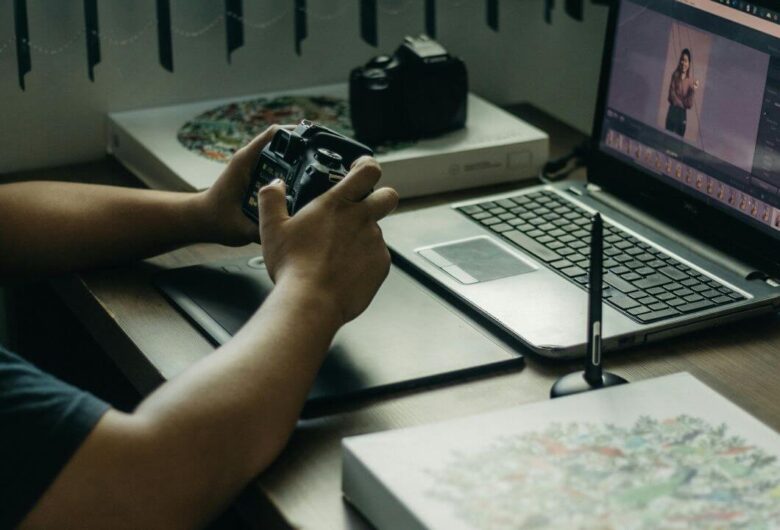
Digitizing VHS at home sounds simple when described quickly. You play the tape, connect the capture device, record the signal, save the file, and you are done. In practice, it is a little messier than that. Not because the process has to be advanced, but because VHS projects usually involve more than one challenge at …
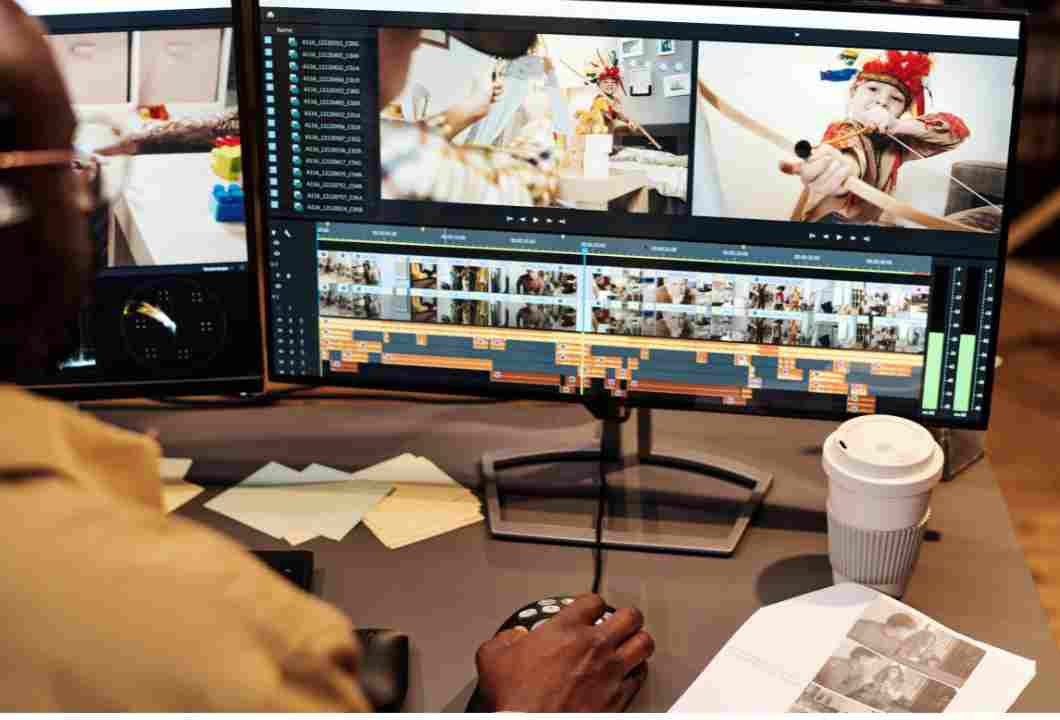
(Step by step — without dropped frames or freezes) Why OBS is both powerful — and dangerous by default OBS is one of the most popular tools for capturing VHS. It’s free.It’s flexible.It works with most USB capture devices. And that’s exactly the problem. OBS is built for streaming, not preservation.If you use the default …
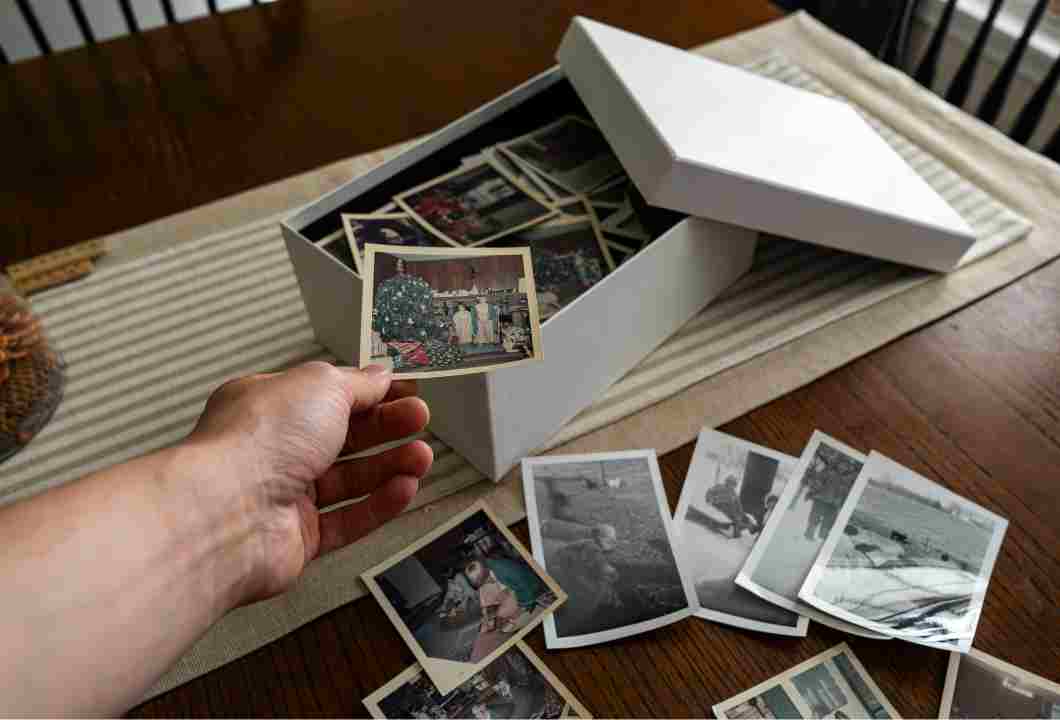
(Without renaming them one by one) Why “I’ll organize this someday” never actually happens Most people don’t avoid organizing their photos because they’re lazy. They avoid it because the task feels endless. We’ve opened folders with: The first instinct is always the same: “I’ll start by renaming everything.” That’s also where most people give up. …